
Loading...
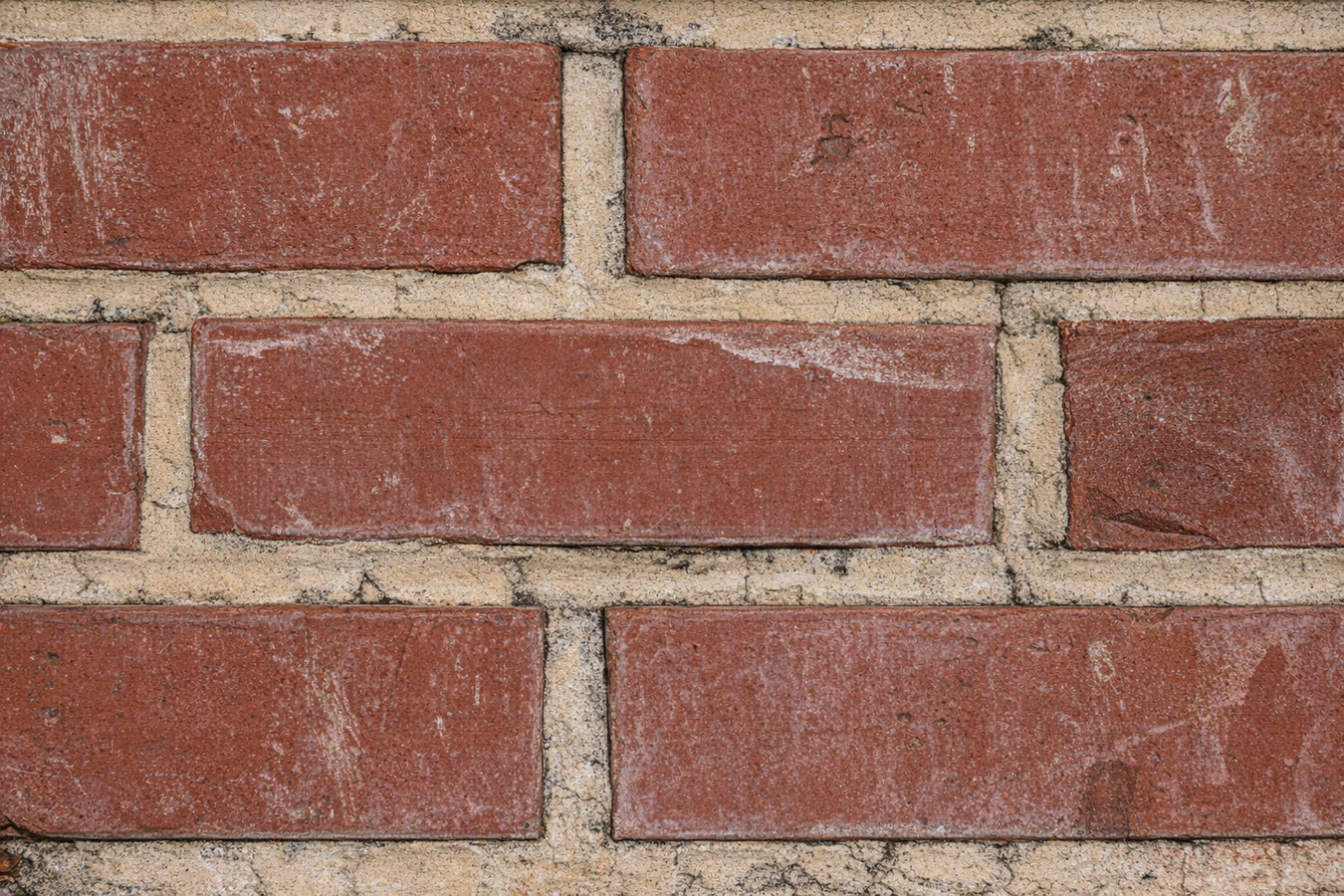
Crumbling mortar joints let water into your walls. We grind out the old material and pack in fresh mortar - stopping the damage and restoring the look of your brick or stone.
Tuckpointing in Murrieta means removing deteriorated mortar from the joints between your bricks or stones and replacing it with fresh material - most jobs on a single chimney or wall section wrap up in one to two days. It is one of the most cost-effective ways to stop water from working its way into your home through failing masonry.
In Murrieta, the combination of hot summers, occasional winter rain, and clay soils that shift through the seasons puts unusual stress on mortar joints. Homes built in the 1990s and early 2000s - the bulk of Murrieta's housing stock - are right in the window when original mortar starts to fail. If your brickwork is showing white chalky streaks, crumbling lines, or gaps between bricks, it is worth addressing before the next rainy season. In some cases, brick repair may be needed alongside tuckpointing if the brick faces themselves have started to chip or spall.
Run your finger along the mortar lines. If it feels soft, sandy, or crumbles away, that joint has failed. In Murrieta's dry heat, what starts as a small gap can become a water entry point within one rainy season.
Those white stains - called efflorescence - appear when water moves through the wall and carries minerals to the surface. In Murrieta, they often show up after the winter rains on chimneys and exterior walls where mortar has started to fail.
A large share of Murrieta's housing was built between 1990 and 2005, putting mortar at 20 to 35 years old. That is the range when original mortar commonly starts to soften and pull away from the brick. You do not need visible damage to benefit from an inspection.
When mortar fails and water gets behind it, the bricks themselves begin to deteriorate. Flaking or pitted brick faces - especially on walls that get direct afternoon sun - mean the damage has moved past the mortar stage and needs immediate attention.
We handle tuckpointing on chimneys, exterior brick walls, retaining walls, garden borders, and decorative stone features. The process always starts by grinding or chiseling out the old mortar to a minimum depth of three-quarters of an inch - shallow patches bond poorly and fail quickly. Once the joints are clean, we mix and pack in fresh mortar, tooling each joint to match the original profile. Color matching is part of every job, and we test samples against your existing wall before committing to a mix. For Murrieta homes in HOA communities, we work with the approved finish and color specifications so the repair meets your association's standards.
If the inspection turns up issues beyond the mortar joints - cracked brick faces, spalling, or loose veneer anchors - we will point those out and discuss brick repair options alongside the tuckpointing work. For walls that also need their mortar joints cleaned and refinished with a two-layer pointing technique, we can discuss brick pointing as a related service.
Ideal for homeowners noticing crumbling joints or white staining around their chimney stack.
Suited to homes where a full section of exterior brick or stone is showing consistent mortar wear.
For retaining walls where failing joints are letting water in behind the structure or causing surface crumbling.
Garden borders, planters, and decorative brick elements where appearance and weather-resistance both matter.
Murrieta sits in the Inland Valley and regularly sees summer temperatures above 95 degrees, followed by cooler nights and mild winters. That repeated expansion and contraction - the wall heating up and cooling down - gradually works mortar loose over time. The Santa Ana winds that blow through every fall add another layer of stress, carrying fine particles that erode exposed mortar surfaces on south- and west-facing walls. For homes built during Murrieta's 1990s and early 2000s growth boom, original mortar is now 20 to 35 years old and reaching the end of its typical lifespan.
Homeowners in Temecula and Wildomar face the same Inland Valley climate conditions, and we see consistent patterns across all three cities: homes approaching 25 to 30 years old with mortar that is starting to crack or pull back from the brick. Addressing those joints now - before another dry summer or wet winter - is consistently cheaper than waiting until the bricks themselves start to spall or water finds its way into the wall structure.
For seasonal guidance on masonry maintenance, the Brick Industry Association provides technical resources on mortar types, repair methods, and best practices for residential masonry.
We ask a few basic questions about the masonry type, location, and how long you have noticed the problem. You will hear back within 1 business day to schedule a time to visit.
We examine the joints up close, probe the mortar to check depth and condition, and give you a written estimate after the visit. No phone quotes - the price is based on what we actually see.
Work begins by grinding out old mortar to the right depth. We mix and pack in fresh material, matching the joint profile and color. Most single-section jobs finish in one to two days.
We clean mortar residue off the brick face and walk you through the finished work before leaving. Fresh mortar needs 24 to 72 hours to cure - we will tell you exactly what to avoid during that window.
We respond within 1 business day. There is no obligation to move forward after the estimate - just a clear explanation of what we found and what it would cost to fix. After you submit, someone from our office will call to schedule a free on-site visit.
(951) 574-0109We test mortar samples against your wall before committing to a mix. Color shift during curing is real, and a careful match prevents the patchy, mismatched look that announces a repair from across the street.
We hold a current C-29 Masonry Contractor license issued by the California Contractors State License Board. That license is a legal requirement for masonry work in this state and a baseline protection for you if anything goes wrong.
Murrieta has a high concentration of HOA communities with exterior material requirements. We know the drill - we source materials that meet common HOA specifications and can work within your approval process before any tool touches your wall.
You will never get a phone quote from us. Every estimate is written, itemized, and based on what we actually see on site. That number does not change unless you ask us to do something different. For licensing verification, visit the California CSLB.
Every one of these commitments comes back to the same thing: we want the repair to hold, look right, and not come back to bite you. Tuckpointing done correctly with the right mortar mix and technique should last 20 to 30 years - and that is exactly what we aim for on every job.
Verify contractor licensing at the California Contractors State License Board.
When failing mortar has allowed water in long enough that the brick faces themselves are chipping or spalling, brick repair addresses the structural damage beyond the joint.
Learn moreA two-layer pointing technique that adds a fine finish layer over the mortar joint for a cleaner appearance and a tighter weather seal on older or decorative brickwork.
Learn moreMurrieta's heat cycles and winter rains will keep stressing your mortar joints - call now and we will assess your wall before the damage spreads.