
Loading...
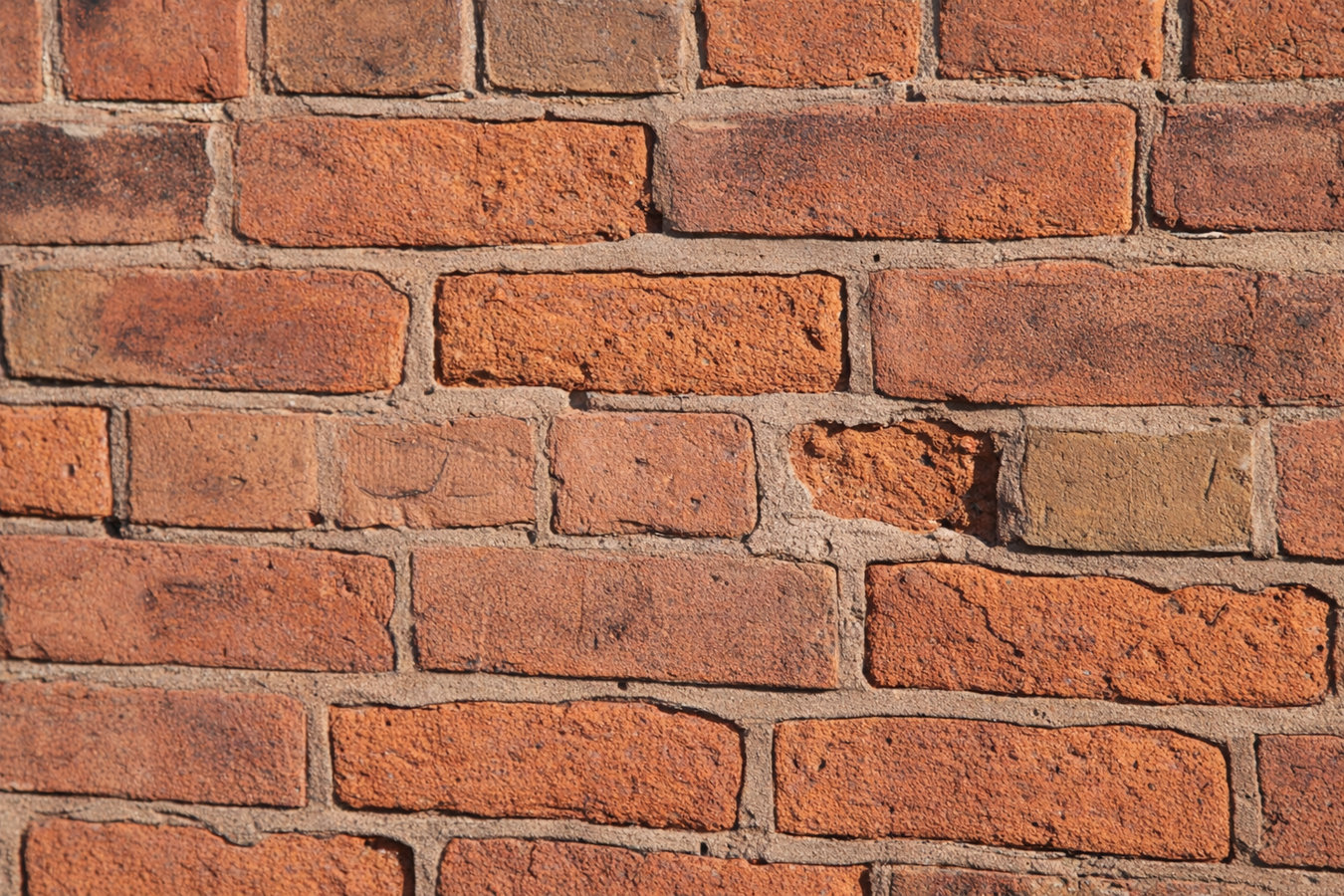
Crumbling mortar joints on your chimney or brick wall let water in with every rain. We repack and match your joints before moisture damage reaches the inside of your home.
Brick pointing in Murrieta is the process of removing old, crumbling mortar from the joints between bricks and replacing it with fresh mortar matched to the original profile and color - most chimney jobs take one to two days, and most wall sections take two to four days, with no need to leave your home during the work.
Mortar is designed to be softer than brick - it absorbs movement and stress so the bricks themselves do not crack. That softness means mortar erodes over time, especially when exposed to years of Murrieta's summer heat cycles and the occasional winter cold snap. A home built in 1995 - which describes a large share of Murrieta's housing stock - may have original chimney mortar that is now 25 to 30 years old and showing real wear, even if the bricks look solid. For homeowners whose brickwork also has cracked or spalled bricks alongside failing mortar joints, our brick repair team can address both issues in the same visit so you are not scheduling two separate jobs.
Stand back from your chimney or brick wall and look at the thin lines of material between the bricks. If those lines look sunken, crumbly, or have visible gaps, the mortar is failing. You might also notice small chunks of mortar on the ground near the base of the wall - that is a clear sign material is falling out and the joints are no longer keeping water where it belongs.
After the cold nights and occasional frost that Murrieta sees in January and February, check your chimney from the ground. Mortar that was borderline before winter often shows new cracks or missing sections after the season. This is especially common on chimneys that face north or sit in shade, where moisture lingers longer after rain and cold events.
Brown or yellowish stains on the inside of a wall that backs up to a chimney or exterior brick surface mean water is getting through somewhere. Failed mortar joints are one of the most common entry points. The stain might appear only after rain or develop gradually - either way, the source needs to be identified and sealed before the damage spreads further into wall framing or drywall.
If you can press a key into a mortar joint and it crumbles or feels powdery, it has lost its strength. Healthy mortar feels hard - like concrete. Soft or sandy joints mean the material has broken down and is no longer doing its job of keeping water out and holding the bricks in place. This test takes about 30 seconds and gives you a reliable read on whether the joints need work.
We repoint chimneys, exterior brick walls, garden walls, and retaining walls - removing deteriorated mortar to the correct depth, then packing fresh mortar in layers matched to the original joint profile and color. The removal step matters as much as the fill: if old mortar is not ground or chiseled out to at least three-quarters of an inch deep, the new mortar has nothing to bond to and will fail quickly. We use mortar formulas appropriate for above-grade exterior masonry in Southern California's climate - not whatever is fastest or cheapest. For homeowners who want to know whether their mortar issues connect to something deeper, our foundation repair team can evaluate whether soil movement is contributing to the joint failure before we start the pointing work.
Color matching is part of the process, not an afterthought. Mortar comes in many shades, and a mismatch makes a repaired section look patched rather than restored. We test a small sample area and let it dry fully before committing to the full job, since mortar color shifts as it cures - especially in Murrieta's bright sunlight. In HOA communities like Harveston or California Oaks, we can also prepare documentation if your association requires written confirmation that exterior work maintains the approved appearance of your home. The Brick Industry Association defines the repointing standards our team follows on every job - depth of removal, mortar type selection, and joint tooling method.
Suited to homeowners with chimneys built in the 1990s or 2000s whose original mortar has never been serviced - the most common brick pointing job in Murrieta.
Suited to homes where the mortar between bricks on a garden wall, boundary wall, or planter shows visible crumbling, gaps, or the tell-tale powdery residue of breakdown.
Suited to homeowners who have a localized section of failed mortar - around a single wall panel, a specific course of bricks, or one face of a chimney - rather than needing the full structure redone.
Suited to any repointing job where appearance matters - HOA communities, visible street-facing walls, or homes where the existing mortar tone is unusual and blending matters.
Murrieta's Inland Valley location means the heat that mortar faces here is different from coastal Southern California. Temperatures regularly climb above 95 degrees from June through September, and that sustained heat causes mortar to dry faster than it should during installation. If mortar dries too quickly, it does not bond fully to the brick faces on either side of the joint - and a joint that looks fine when the mason leaves can start to crack within a year or two. An experienced local contractor knows to schedule work for the cooler morning hours and to keep fresh joints lightly misted on hot days. That is not something you learn from a manual; it is something you learn from doing this work in this specific climate. Homeowners in Temecula face the same heat conditions through the summer months and the same need for a contractor who plans the work around what that heat does to fresh mortar.
The other local factor is the Santa Ana winds that sweep through the Temecula Valley and Murrieta corridor each fall and early winter. These winds are dry and powerful - they carry fine dust and debris that works into cracked mortar joints and gradually widens them. After a significant wind event, it is worth walking around your home and looking at any brick surfaces for new cracks or joint gaps that were not there before. This is especially worth doing on chimneys, which face the weather from every direction and have no overhang to protect them. Homeowners in Wildomar sit in the same wind corridor and deal with the same seasonal pattern of joint wear that accelerates after fall wind events.
We will ask where the brickwork is, how much of it looks affected, and whether you have noticed any water damage inside. You hear back within one business day and we set up a time to visit your property in person - no charge for the visit.
The mason walks the affected area, looks closely at the joints, checks how deep the damage goes, and confirms what mortar color and texture will be needed to match your existing work. You receive a written estimate before any work begins - this is when you ask about color matching and timeline.
The crew grinds or chisels out old mortar to at least three-quarters of an inch depth, then packs fresh mortar in layers and shapes it to match the original joint profile. For a chimney or small wall section, this typically takes one to two days. There will be some noise and dust near the work area, but the interior of your home is not affected.
Fresh mortar needs 24 to 48 hours before it should get wet - keep sprinklers away from the new work during that window. The mason will walk the finished area with you, point out what was done, and explain what to watch for going forward. New mortar may look slightly different in color at first; it shifts as it cures over the following weeks.
Written quote before any work begins, color matching included, and no obligation to move forward after the visit.
(951) 574-0109The most common shortcut in repointing is not grinding old mortar out deep enough before packing in the new material. New mortar applied over shallow removal will not bond and will fail within a few years. We grind to at least three-quarters of an inch on every joint - the minimum depth needed for a proper mechanical bond with the brick face on each side.
Mortar color shifts significantly as it dries, and in Murrieta's bright sunlight, color differences are more visible than in shadier climates. We apply a small sample area and let it cure fully before we commit to the rest of the job. If the match is off, we adjust the formula. This extra step is what separates a repair that blends in from one that looks patched for the next 25 years.
We work across Murrieta and the surrounding cities including Temecula, Wildomar, Menifee, and Canyon Lake. That local presence means we understand the specific conditions - the heat, the wind patterns, the HOA communities - that affect how brick pointing work needs to be done and priced in this part of California. We are not a distant crew showing up unfamiliar with local variables.
One of the most common frustrations homeowners have with contractors is an estimate that grows after work begins. You receive a written quote before any work starts, with the scope and price clearly stated. If something changes during the job, we discuss it with you before proceeding - not after. The Brick Industry Association guidelines we follow cover both installation standards and the professional practices we bring to every job.
Brick pointing is one of those jobs that looks simple from the outside but has a lot of ways to go wrong - wrong mortar depth, wrong mix, wrong color match, or the wrong season for Murrieta's climate. We get the details right because we have been doing this work in this area long enough to know exactly what those details are.
When soil movement is causing mortar joints to crack repeatedly, a foundation evaluation can identify whether settling is driving the problem before pointing work begins.
Learn moreSpalled, cracked, or loose bricks alongside failing mortar joints can be addressed in a single visit so the full wall surface is restored at once.
Learn moreFailing mortar lets water in with every storm - call today for a no-obligation written quote and lock in your date while the calendar is open.